Soil Testing in Southern Melbourne: Why It Matters Before You Build
Every successful building project starts below ground. Before concrete is poured or a wall goes up, someone needs to know what the soil is made of, how it behaves when wet or dry, and whether it can support the structure you have in mind. Skipping that step can lead to cracked slabs, doors that stick, and expensive repairs. If you are planning a new home, an extension, or a rural build, understanding soil testing in Southern Melbourne is one of the smartest early decisions you can make. This guide explains what soil tests involve, when you need them, and how a local geoscience team can help.
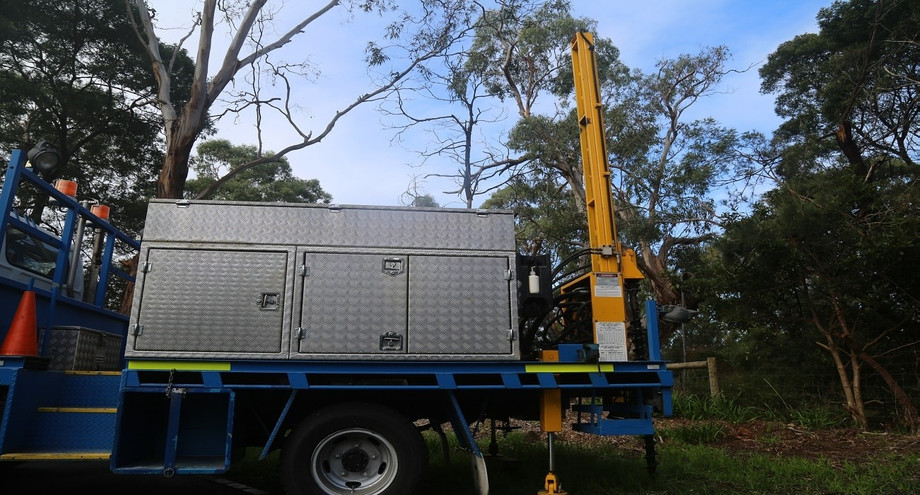
Why Soil Testing Is the Foundation of Any Build
Soil is not uniform. Across Melbourne’s south-east and the Mornington Peninsula, ground conditions can change from one street to the next. Some soils are stable and drain well. Others are clay-rich and swell when wet and shrink as they dry, which can move footings and cause structural damage over time.
A professional soil test gives you facts rather than guesses. It helps builders, engineers, and homeowners to:
- Design the right footings and slab for the conditions on your block
- Avoid costly surprises during construction
- Meet building and council requirements that call for a soil report
- Protect your investment by reducing the risk of future movement and cracking
In short, a modest upfront cost can prevent a much larger bill later.
When Do You Need a Soil Test?
A soil test is commonly required in situations such as:
- Building a new home. Engineers need soil information to design footings that suit the site.
- Extensions and renovations. Adding rooms, a second storey, or a granny flat often calls for updated site information.
- Garages, sheds, and outbuildings. Even smaller structures need appropriate footings.
- Commercial construction. Larger projects rely on detailed site investigation.
- Drainage and stormwater planning. Soakage pit testing shows how well the ground absorbs water.
- Unsewered properties. Rural and semi-rural lots may need an assessment of how wastewater can be managed on site.
Requirements vary by project, council, and engineer, so confirm exactly what you need with your builder or local council before booking.
Understanding Site Classification
For residential building in Australia, soil results are commonly used to classify a site so that footings and slabs can be designed appropriately. The classification reflects how reactive the soil is and how much it may move with moisture changes. The more reactive the soil, the more robust the footing design usually needs to be.
This is why a soil report is more than paperwork. It directly influences how your home is engineered and how it will perform over decades.
What Is a Land Capability Assessment?
A land capability assessment is a different but related service. It evaluates whether a block of land can sustainably handle a particular use, most commonly onsite wastewater treatment on properties without access to a sewer. The assessment looks at factors such as soil characteristics, slope, drainage, and site constraints to determine suitable treatment and disposal options.
If you own or plan to buy land in a rural or semi-rural area, a land capability assessment can help you understand what is feasible before you commit to building plans. In many cases, councils ask for one as part of a wastewater permit application, so it pays to check requirements early.
What a Good Soil Testing Service Looks Like
Not all providers are equal. When comparing options, look for:
- Qualified staff. Geology and geoscience training means test results are interpreted properly.
- Compliance with standards. Testing should follow relevant Australian Standards for your type of job.
- Clear reporting. You should receive a report your builder and engineer can use without confusion.
- Fast turnaround. Delays in soil results can hold up permits and scheduling.
- Insurance. A fully insured provider protects you and your property.
- Transparent pricing. Ask for a quote that explains what is included.
- Local knowledge. Familiarity with regional ground conditions improves both fieldwork and interpretation.
Meet The 4 Spheres
The 4 Spheres is a soil testing and geoscience service based in Melbourne’s south-east and the Mornington Peninsula. According to its website, the team specialises in soil tests for residential building and extensions, and its work is handled from start to finish by qualified, university-trained geology and geoscience staff. The business emphasises friendly service, quick turnaround, competitive pricing, adherence to Australian Standards, and full insurance.
Its services extend beyond routine residential tests. The site lists domestic and commercial soil testing, land capability assessments, soakage pit testing, environmental drilling, site investigation for Indigenous heritage investigation, and geo-drilling for pre-establishment works. Clients range from homeowners to commercial construction companies.
Areas Covered
The team services a wide area, including Frankston, Rye, Sorrento, Cranbourne, Clyde, Officer, Pakenham, Koo Wee Rup, Langwarrin, Pearcedale, and the Casey, Cardinia, and Bass Coast regions, as well as South Gippsland and the broader Mornington Peninsula. If you are unsure whether your site is covered, a quick call will confirm it.
How to Prepare for Your Soil Test
A little preparation helps the process run smoothly:
- Provide your address and project details, including the type and size of the proposed building.
- Share any plans or site information your builder or designer has prepared.
- Ensure site access for drilling equipment.
- Mark or point out any underground services you know about, and check for services before any digging.
- Ask about timing so soil results arrive before your permit or engineering deadlines.
Getting a Quote
For a quote or to ask questions, you can call Chris on 0400 372 763 or email office@4Spheres.com.au. Having your address and a brief description of your project ready will help the team respond quickly.
Final Thoughts
Good building starts with good information. Whether you are researching soil testing in Southern Melbourne for a new home or need a land capability assessment for a rural property, investing in proper site investigation protects your budget, your timeline, and your future home. Reach out to The 4 Spheres to discuss your project and get the information you need before you build.
Frequently Asked Questions
1. Why do I need a soil test before building?
A soil test shows how the ground behaves and helps engineers design footings that suit your site, reducing the risk of movement and cracking.
2. What services does The 4 Spheres offer?
Services include domestic and commercial soil testing, land capability assessments, soakage pit testing, environmental drilling, Indigenous heritage site investigation, and geo-drilling for pre-establishment works.
3. What is a land capability assessment?
It evaluates whether land can support a particular use, commonly onsite wastewater management on unsewered properties, by assessing soil, slope, and drainage.
4. Which areas do you service?
The website lists Frankston, Rye, Sorrento, Cranbourne, Clyde, Officer, Pakenham, Koo Wee Rup, Langwarrin, Pearcedale, Casey, Cardinia, Bass Coast, South Gippsland, and the Mornington Peninsula.
5. How quickly can I get results?
The business promotes quick turnaround times. Ask for an estimate when you request a quote, as timing depends on the job.
6. Who carries out the work?
According to the website, qualified, university-trained geology and geoscience staff handle each job from start to finish.
7. How do I get a quote?
Call Chris on 0400 372 763 or email office@4Spheres.com.au.


Comments
Post a Comment