Land Capability Assessment: Why Your Site Needs One Before You Build
Building on a block without mains sewerage raises a basic question: can the land safely handle the wastewater your home will produce? A land capability assessment answers it. If you are planning a new home, a subdivision, or a major change to an existing property in an unsewered area, an assessment is usually one of the first things you will need. This guide explains what it involves, why it matters, and what to expect from an LCA soil report in Melbourne.
What Is a Land Capability Assessment?
A land capability assessment (LCA) evaluates whether a property can sustainably use and manage wastewater within its own boundaries. In simple terms, it checks whether the soil, slope, and site conditions can support an onsite wastewater system, such as a septic or treatment system, without harming the environment or neighbouring land.
According to The 4 Spheres, LCAs are required for most unsewered developments, subdivisions, and existing developments. The purpose is to determine whether onsite treatment of wastewater can be sustainably contained within the allotment. The assessment is best done early in the planning phase of any development or subdivision.
Why an LCA Matters
Skipping or delaying this step can be costly. A good assessment helps you in several ways:
- Compliance. Councils generally need evidence that wastewater can be managed onsite before they approve an application on an unsewered lot.
- Better design decisions. Knowing your soil type and site limits helps you and your designer choose a system that actually suits the land.
- Environmental protection. Poorly managed wastewater can contaminate soil, waterways, and groundwater.
- Fewer surprises. Finding a constraint early is far cheaper than discovering it mid-build.
What Does an LCA Soil Report Involve?
An LCA soil report in Melbourne combines fieldwork with technical reporting. Requirements can vary between councils and sites, but the process commonly includes:
- Site inspection. An assessor looks at the slope, drainage patterns, vegetation, nearby water features, and the position of boundaries and buildings.
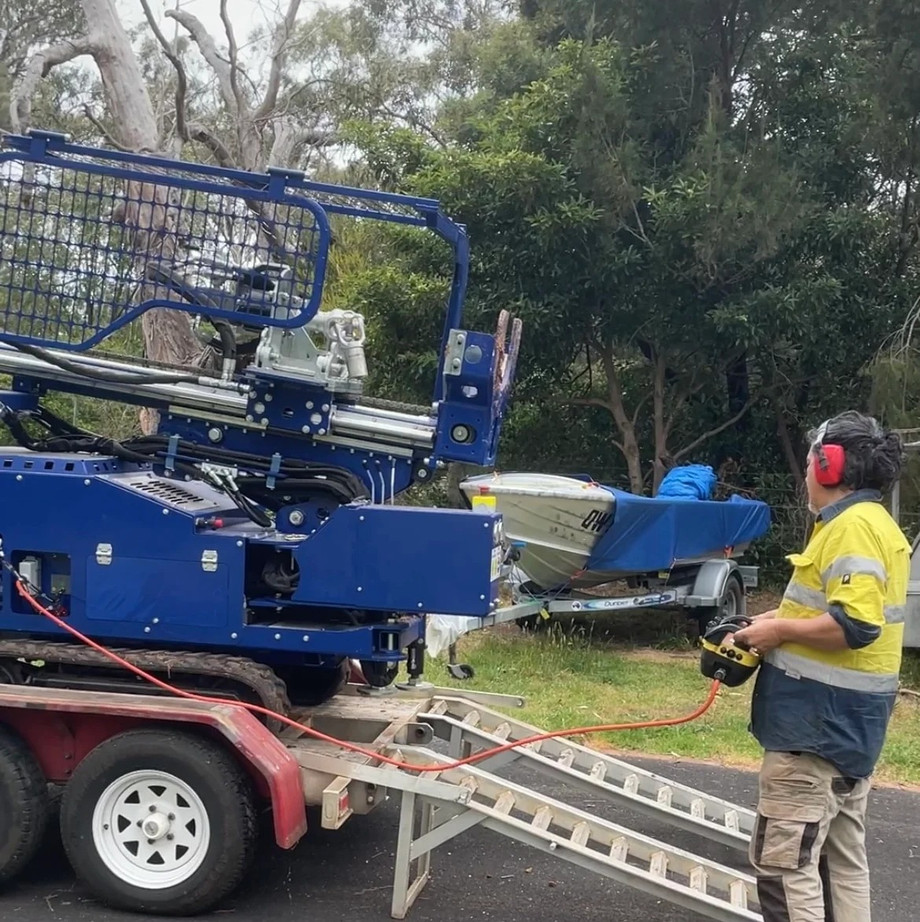
- Soil investigation. Test holes or bores are drilled so the soil layers can be examined and logged. Soil texture and structure influence how well wastewater is absorbed and treated.
- Analysis. The findings are assessed against the site's constraints, such as slope, soil permeability, and setbacks.
- Report. You receive a written report that supports your council application and informs the choice and layout of your wastewater system.
Because soil conditions can change across a short distance, an experienced local assessor who knows the area's geology is a real advantage.
Local Knowledge Counts
Soils in south and south-east Melbourne vary widely, from heavy clays to sandier ground in other pockets. The 4 Spheres works across South, East, and South-East Melbourne and surrounding areas, including Cranbourne, Clyde, Officer, Pakenham, Koo Wee Rup, Langwarrin, Pearcedale, the Mornington Peninsula, Phillip Island, and South Gippsland. Familiarity with local ground conditions helps assessors interpret results sensibly and keeps projects moving.
Other Geotechnical Services That Often Go Hand in Hand
An LCA is rarely the only piece of site work a project needs. The 4 Spheres services cover a broader range, which is useful if you want one provider for several requirements:
- Soil testing and site classification for new homes, extensions, sheds, garages, and carports, prepared to Australian Standard AS 2870-2011 so that the right foundation design can be chosen
- Commercial and industrial soil testing, including strength testing and reporting to estimate bearing capacity
- Soakage pit testing, which tests how quickly water moves through the subsurface for stormwater disposal
- Environmental drilling for investigation, testing, and reporting
- Indigenous heritage investigation and drilling where cultural heritage identification is needed for planning
- Geo-drilling and soil logging for pre-establishment works, such as before horizontal drilling
Bundling related tests can save time, since drilling teams can often complete several tasks in one site visit.
Who Needs a Land Capability Assessment?
Plenty of people end up needing one, including:
- Homeowners building or extending on an unsewered block
- Builders and developers planning subdivisions or multi-lot projects
- Architects and planners who need site information early to shape designs
- Engineers and consultants who need reliable soil data to support their own reports
- Councils and other geotechnical or environmental professionals who need supporting field data
Tips for a Smooth Assessment
A few simple steps can make the process faster and cheaper:
- Start early. Get the assessment done in the planning stage, before designs are locked in.
- Share your plans. Give the assessor your intended house position, bedroom count, and any outbuildings. These influence wastewater volumes.
- Make access easy. Clear the site and mark boundaries so drilling can proceed smoothly. Specialist and hand-drilling options exist for tight or difficult access.
- Ask about timing. Confirm turnaround times so your council application is not delayed.
- Check council requirements. Rules differ between municipalities, so confirm what your council expects in the report.
Why Choose The 4 Spheres?
The 4 Spheres focuses on affordable, practical geotechnical services for homeowners, builders, developers, engineers, and councils across Melbourne's south and south-east. The team emphasises quick turnaround so projects can get underway without delay, and keeps overheads low to pass the savings on. To discuss your project, you can call Chris Honrado on 0400 372 763 or email office@4spheres.com.au. You can also explore the full list of services on the website.
Frequently Asked Questions
What is a land capability assessment?
It is an assessment of whether a property can sustainably manage wastewater within its own boundaries. It looks at soil, slope, and site conditions to decide if onsite treatment is feasible.
When do I need an LCA?
LCAs are required for most unsewered developments, subdivisions, and existing developments where onsite wastewater treatment is proposed. Check with your local council for requirements on your specific property.
When should I get an LCA done?
As early as possible. The assessment should be done in the early planning phase of any development or subdivision, so its findings can shape the design.
What is included in an LCA soil report in Melbourne?
Reports generally draw on a site inspection, soil investigation, and analysis of site constraints. The result is a written report that supports your council application and your wastewater system design. Exact contents can vary by site and council.
Is an LCA the same as a soil test or site classification?
No. A soil test or site classification (to AS 2870-2011) is used to choose a suitable building foundation. An LCA is about wastewater management. Many projects need both, and both involve investigating the soil.
Which areas does The 4 Spheres cover?
The team services South, East, and South-East Melbourne, including Cranbourne, Clyde, Officer, Pakenham, Koo Wee Rup, Langwarrin, Pearcedale, the Mornington Peninsula, Phillip Island, and South Gippsland.
Can you test sites with difficult access?
The 4 Spheres offers both drill-rig and specialised hand-drilled testing for difficult locations. Mention any access limits when you request a quote.
How do I get a quote?
Call Chris Honrado on 0400 372 763 or email office@4spheres.com.au with your address and project details.
Final Thoughts
A land capability assessment protects both your project and the surrounding environment. By confirming early that your site can manage wastewater, you avoid delays and costly redesigns. If you need an LCA soil report in Melbourne or related soil testing, getting an experienced local team involved at the planning stage is the smartest first step.


Comments
Post a Comment