Why a Soil Report Officer in South Melbourne Is Essential Before You Build
What Does a Soil Report Officer Do?
A Soil Report Officer inspects your site, collects samples and interprets the results in line with Australian Standards. Their job is to determine how your soil will move, hold water and carry the load of your structure. The final report gives builders, engineers and councils the data they need to design the right footings and foundations.
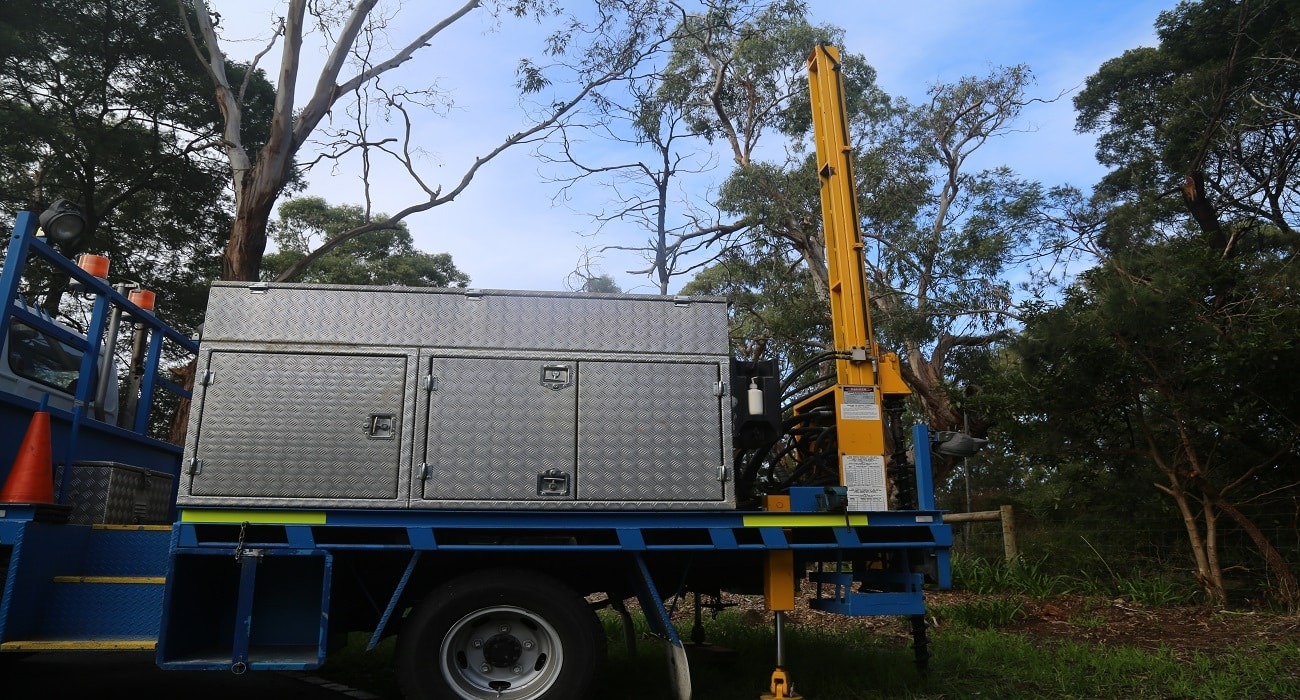
At The 4 Spheres, the focus is on clear, practical reporting. You get a document that’s easy to understand, accepted by councils and certifiers, and useful from the first day of design through to construction.
Why Soil Testing Southern Melbourne Matters
Southern Melbourne has a surprisingly varied geology. Within a few kilometres you can move from sandy coastal soils to heavy, expansive clay. Each type behaves differently:
- Sandy soils drain well but may lack stability under heavy loads.
- Clay soils swell when wet and shrink when dry, which can crack foundations.
- Fill or disturbed ground may be poorly compacted and unpredictable.
- High water tables can affect excavation, drainage and long-term moisture levels.
Soil Testing Southern Melbourne identifies these risks early, so your engineer can design for the ground you actually have rather than the ground you assumed.
A typical site investigation covers several steps:
- Site inspection: assessing slope, vegetation, drainage patterns and nearby structures.
- Soil sampling: drilling or digging bore holes to collect samples at different depths.
- Laboratory or field analysis: checking soil composition, moisture content and reactivity.
- Site classification: assigning a class (such as A, S, M, H or E) based on how much the soil is expected to move.
- Report preparation: delivering findings and recommendations that engineers and builders can act on.
This process is a requirement for most new homes, extensions, townhouse developments and commercial projects.
Benefits of Soil Testing Southern Melbourne Before You Build
Lower construction risk. Knowing the soil class upfront means your footings are designed correctly the first time.
Fewer surprises. Unexpected rock, fill or groundwater discovered mid-build can blow out budgets and timelines. Testing early flags these issues before they become expensive.
Smoother approvals. Councils and building surveyors expect a compliant soil report. Having one ready helps your application move forward without delay.
Long-term value. A well-founded building holds its value, avoids structural defects and gives owners peace of mind.
Residential and Commercial Projects
Whether you’re building a family home, adding a second storey, subdividing a block or planning a commercial development, the principle is the same: understand the ground first. Residential clients benefit from properly engineered slabs and footings. Commercial and developer clients gain accurate data for larger loads, retaining walls, drainage design and compliance. Learn more about the team’s approach on the About Us page.
Choosing the Right Soil Testing Provider
When comparing providers, look for:
- Experience with local Melbourne and Mornington Peninsula conditions
- Reports that meet Australian Standards and council requirements
- Clear communication and realistic turnaround times
- Practical recommendations, not just raw data
A good provider acts as a partner in your project, helping you make informed decisions from the planning stage onwards.
Frequently Asked Questions
1. What is a Soil Report Officer?
A Soil Report Officer is a professional who investigates site soil conditions, classifies the ground and prepares a report used for footing and foundation design.
2. Do I need Soil Testing Southern Melbourne for a residential build?
In most cases, yes. Councils, building surveyors and engineers typically require a soil report for new homes, extensions and many renovations.
3. How long does soil testing take?
Fieldwork is often completed in a day for a standard residential block. The written report usually follows within several business days, depending on site complexity.
4. What is a site classification?
It’s a rating that describes how much your soil is likely to move with moisture changes. It guides the type of slab or footing your engineer will specify.
5. Can soil testing reduce my building costs?
Yes. Accurate data helps avoid over-engineering and prevents costly repairs caused by unexpected ground movement.
6. Is soil testing different for commercial sites?
Commercial projects often need deeper or more detailed investigation because of heavier loads, larger footprints and stricter compliance requirements.
Build on Solid Ground
Need to ensure your soil is safe for commercial or residential construction? If you need soil testing in Clyde, Frankston, Cranbourne, Rye and anywhere else on the Mornington Peninsula, The 4 Spheres can help. Contact us today.


Comments
Post a Comment