Why a Proper Soil Report Is the Foundation of Every Successful Build
Before a single brick is laid or a foundation poured, one document often determines whether a construction project moves forward smoothly or runs into costly delays down the track. Soil assessment might not be the most glamorous part of building or renovating, but it's arguably one of the most important steps in the entire process, laying the groundwork — quite literally — for everything that follows.
Why Soil Assessment Can't Be Skipped
Every plot of land behaves differently depending on its composition, moisture levels, and geological history. What looks like solid ground on the surface can sometimes hide reactive clay, poor drainage, or unstable layers beneath. Without a proper understanding of these conditions, builders and engineers are essentially working blind, which can lead to structural issues appearing months or even years after construction is complete.
This is precisely why councils and building authorities require detailed soil analysis before approving construction plans. It's not simply a bureaucratic formality — it's a genuine safeguard that protects the long-term integrity of any structure, whether it's a new home, an extension, or a commercial development.
Understanding the Purpose Behind an LCA Report
An Lca Soil Report Melbourne provides essential classification of land based on its reactivity and behavior, helping engineers determine the appropriate foundation design for a specific site. This classification directly influences decisions around footing depth, reinforcement requirements, and overall structural approach, ensuring that whatever gets built is suited to the actual conditions of the land rather than generic assumptions.
Without this level of detail, there's a real risk of under-designing foundations for challenging soil types, which can eventually lead to cracking, movement, or costly remediation work. Getting this assessment right from the outset saves significant time, money, and stress later in the construction journey.
The Role of Local Expertise
Soil conditions can vary significantly even within short distances, which makes local knowledge particularly valuable. A Soil Report Officer in East Melbourne brings familiarity with the specific characteristics common to the area, understanding patterns in clay reactivity, drainage behavior, and historical land use that might not be immediately obvious from data alone.
This local insight often makes the difference between a generic assessment and one that genuinely reflects the realities of a particular site. Builders and homeowners benefit from working with professionals who understand not just soil science broadly, but the specific nuances of the region they're building in.
What the Assessment Process Typically Involves
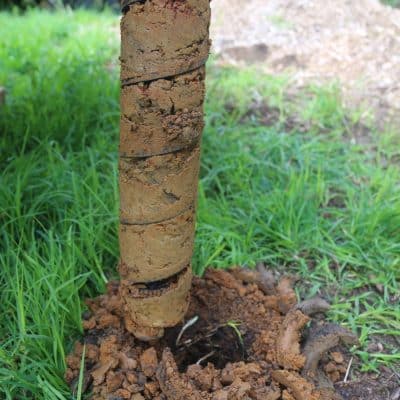
The process generally begins with site investigation, including bore testing at various points across the property to understand soil composition at different depths. Samples are then analyzed to determine reactivity levels, moisture content, and load-bearing capacity. This data is compiled into a formal report that engineers and builders rely on to finalize foundation and structural design.
Timing matters here too. Conducting this assessment early in the planning process allows for smoother coordination with architects and engineers, avoiding the frustration of redesigning plans after construction has already begun based on assumptions that don't match actual ground conditions.
Avoiding Costly Surprises Down the Line
One of the most compelling reasons to prioritize thorough soil assessment is the cost of getting it wrong. Structural issues stemming from inadequate foundation design are often expensive and disruptive to fix, sometimes requiring significant remedial work long after a building is completed. Investing the time and resources upfront to properly understand site conditions is almost always more economical than addressing problems retroactively.
The 4 Spheres Approach
At The 4 Spheres, the emphasis has always been on providing accurate, locally relevant assessments that give builders and homeowners genuine confidence in their foundation planning. Understanding that every site tells a different story, the focus remains on thorough, site-specific analysis rather than one-size-fits-all reporting.
Frequently Asked Questions
Why is soil classification required before building approval?
It ensures foundation design matches actual site conditions, reducing the risk of structural issues caused by reactive or unstable soil.
How long does a typical soil assessment take to complete?
Timeframes vary depending on site size and complexity, though most assessments can be completed within a reasonable turnaround to keep projects on schedule.
Does soil type really affect foundation design that much?
Yes, reactive or unstable soils often require deeper footings or additional reinforcement compared to more stable ground conditions.
Is this assessment only necessary for new builds?
No, extensions, renovations, and even some landscaping projects can also require updated soil assessment depending on council requirements.
Can soil conditions change significantly across a single property?
In some cases, yes, which is why thorough testing at multiple points is important rather than relying on a single sample location.
Final Thoughts
Strong foundations start well before construction begins, with a clear understanding of what lies beneath the surface. Prioritizing thorough, locally informed soil assessment protects both the structural integrity of a build and the long-term investment homeowners and developers make in their properties. With The 4 Spheres, that process is approached with the diligence and local expertise every project deserves, ensuring foundations are built on genuine understanding rather than guesswork.



Comments
Post a Comment