Why Residential Soil Testing Melbourne Is Essential Before Construction
Building a home or residential structure involves careful planning, engineering, and assessment before construction begins. One of the most important steps often overlooked is understanding the condition of the land itself. Before foundations are designed or building work starts, developers and homeowners should consider Residential Soil Testing Melbourne to understand how the ground will support the structure.
Reliable testing and analysis help reduce risks, prevent structural issues, and improve long-term building stability. The 4 Spheres provides professional site investigation services that help builders, engineers, and property owners make informed decisions before construction begins.
Understanding soil conditions is essential for safe and successful development, especially when determining Site Classifications Melbourne requirements for residential projects.
What Is Residential Soil Testing?
Residential Soil Testing Melbourne refers to the process of examining soil conditions on a building site to determine its characteristics, strength, and suitability for construction.
During testing, specialists analyze factors such as:
- Soil composition
- Ground movement potential
- Moisture content
- Soil stability
- Bearing capacity
This information helps engineers and builders understand how the ground may behave under structural loads. Without proper soil investigation, construction projects may face expensive repairs or structural movement in the future.
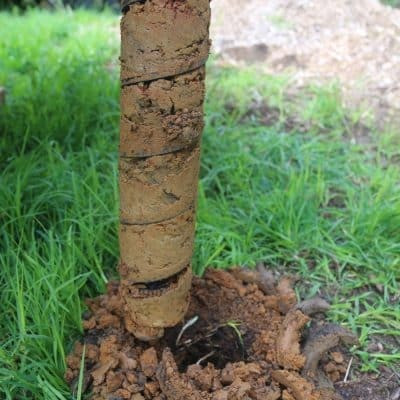
For residential developments, soil testing helps ensure the foundation system matches site conditions and complies with engineering requirements.
Why Soil Testing Matters Before Construction
Every construction site is different. Even neighboring properties may have different soil conditions that impact building stability.
This is why Residential Soil Testing Melbourne is considered an essential first step in residential development.
Proper testing helps identify potential risks before construction starts, including:
- Reactive clay movement
- Ground instability
- Drainage concerns
- Soil expansion and shrinkage
- Foundation design challenges
Ignoring these factors can result in structural cracking, uneven flooring, and costly maintenance later.
When builders understand soil behavior early, they can plan suitable foundations and avoid unnecessary project delays.
Understanding Site Classifications Melbourne
After soil analysis is completed, engineers determine Site Classifications Melbourne requirements based on the condition and reactivity of the soil.
Site classification helps identify how much movement may occur beneath a structure due to moisture changes and ground conditions.
This process assists engineers in selecting suitable slab and footing designs to support safe construction.
Different site classifications are used depending on soil reactivity, including stable ground and highly reactive soils that may require additional structural planning.
Understanding Site Classifications Melbourne ensures that homes are designed to suit local ground conditions, reducing the likelihood of future structural movement.
How Residential Soil Testing Supports Better Foundation Design
A building foundation must suit the ground beneath it. Without accurate information, builders risk using an unsuitable design that may not perform effectively over time.
Professional Residential Soil Testing Melbourne helps engineers develop foundations based on actual site conditions rather than assumptions.
The benefits include:
Improved Structural Stability
Proper soil analysis supports stronger foundation decisions that improve building safety and long-term performance.
Reduced Risk of Damage
Testing helps identify soil movement risks before construction, minimizing cracking and settlement issues.
Better Cost Planning
Understanding soil conditions early can help avoid unexpected engineering changes during construction.
Compliance with Building Standards
Many residential developments require soil reports and engineering recommendations to support construction approvals.
Reliable Site Classifications Melbourne processes also help builders comply with local construction requirements.
Why Melbourne Soil Conditions Require Careful Assessment
Melbourne contains a variety of soil types, including highly reactive clay soils in some areas. These soils can expand or contract depending on moisture levels, affecting structural stability if not properly addressed.
Because of this, Residential Soil Testing Melbourne becomes especially important for local construction projects.
Testing provides insight into:
- Ground reactivity
- Seasonal movement potential
- Foundation requirements
- Soil strength and composition
Without proper evaluation, builders may underestimate soil movement risks, increasing long-term repair costs.
Accurate Site Classifications Melbourne assessments help ensure homes are engineered to perform safely under local conditions.
Choosing Professional Soil Investigation Services
Residential construction is a major investment, making early site assessment an important step in project success.
Professional testing providers help deliver reliable reports that support builders, engineers, and property owners throughout the planning process.
The 4 Spheres assists residential developments through accurate site investigation services that help identify soil conditions and provide essential construction insights.
Working with experienced professionals ensures Residential Soil Testing Melbourne is completed correctly while supporting reliable Site Classifications Melbourne outcomes.
Long-Term Benefits of Soil Testing
Although some property owners may view soil testing as an additional step, it can save significant time and money over the life of a structure.
The long-term advantages include:
- Improved structural durability
- Lower maintenance risks
- Better foundation performance
- Reduced chances of cracking and settlement
- Safer residential construction outcomes
Investing in Residential Soil Testing Melbourne before building begins helps create confidence in the safety and performance of the finished structure.
Combined with accurate Site Classifications Melbourne, soil analysis supports better engineering decisions and stronger building foundations for years to come.
FAQ
1. What is Residential Soil Testing Melbourne?
Residential Soil Testing Melbourne is the process of analyzing soil conditions on residential sites to determine stability, soil composition, and foundation requirements before construction.
2. Why is soil testing important before building?
Soil testing helps identify ground conditions and potential risks, allowing engineers to design suitable foundations and reduce structural problems later.
3. What are Site Classifications Melbourne?
Site Classifications Melbourne refer to engineering categories used to assess soil reactivity and guide foundation design for residential construction.
4. Can soil conditions affect house foundations?
Yes, soil movement, moisture changes, and reactive ground conditions can affect structural stability and foundation performance.
5. When should residential soil testing be completed?
Soil testing should generally be completed before construction planning and foundation design begin to ensure accurate engineering recommendations.


Comments
Post a Comment